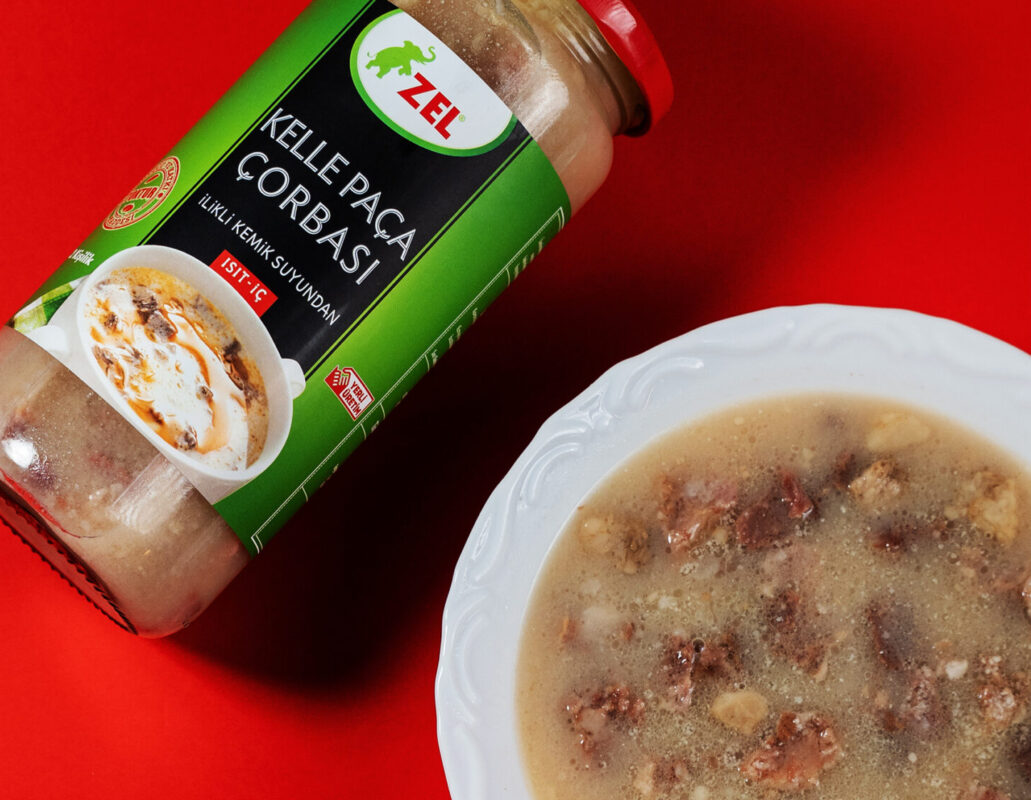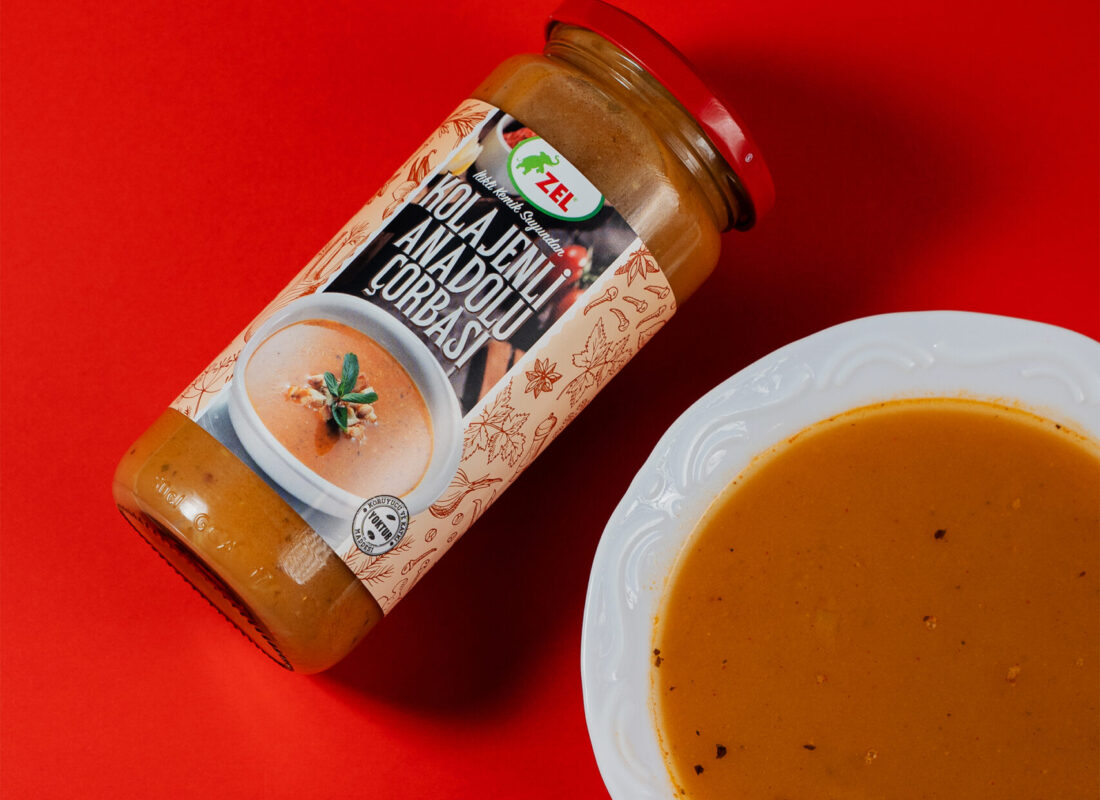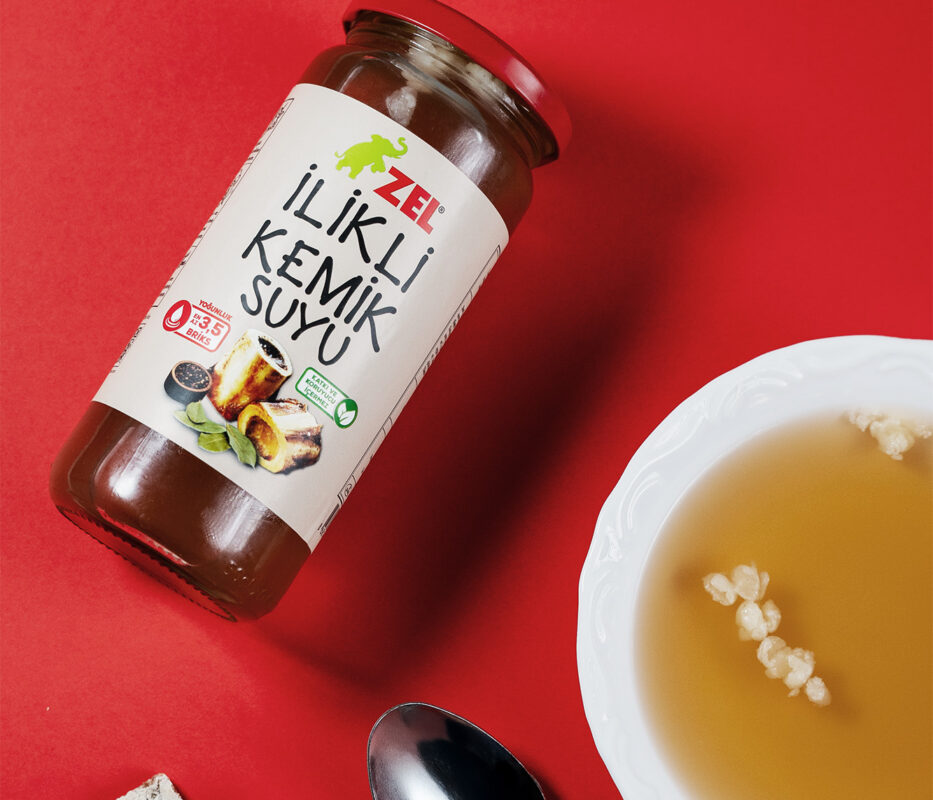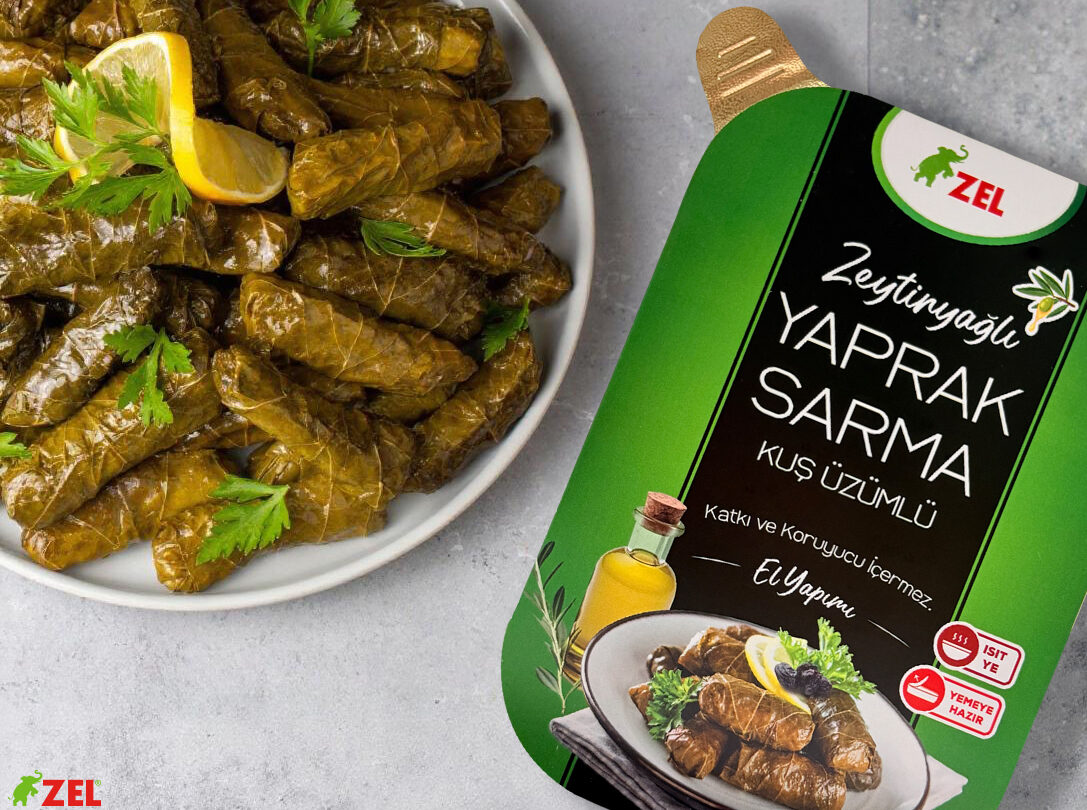

Convenience food, This is a general term for foods that are fully or largely cooked during the production phase, packaged, and require only heating, serving, or brief preparation before consumption. Some products are suitable for direct consumption, while others should be heated according to the instructions on the packaging.
Busy workdays, student life, travel, and the need for quick meals at home make ready-made meals practical. However, making a good choice isn't just about preparation time. The condition of the packaging, ingredient list, allergen information, storage conditions, and expiration date should all be considered together.
What to Look for on the Label When Choosing Ready-Made Meals
Before purchasing a packaged ready-to-eat meal, both the promotional statements on the front of the product and the mandatory information on the back should be read.
- Packaging integrity: Do not purchase products that are swollen, leaking, punctured, rusted, or have loose lids.
- Table of contents: Ingredients are listed in order of weight. Check here for ingredients that suit your personal preferences.
- Allergen information: Be sure to read the warnings regarding gluten, milk, eggs, soy, nuts, and other allergens.
- Nutritional values: Evaluate the amounts of energy, protein, fat, carbohydrates, sugar, and salt along with the serving size.
- Storage instructions: Check whether the product should be stored at room temperature, in the refrigerator, or frozen.
- Preparation instructions: Whether the packaging is microwave-safe and the heating time may vary depending on the product.
The expiration date and the recommended consumption date are not the same.
According to the Turkish Ministry of Agriculture and Forestry, the Best Before Date indicates the last date on which microbiologically perishable foods can be safely consumed. Products past the Best Before Date should not be consumed.
The Best Before Date (BBD) indicates the period during which the product retains its characteristic properties such as taste, aroma, and texture when stored under appropriate conditions. The BBD relates to quality, while the SBBD relates to food safety. Long-shelf-life products like canned goods often have a BBD; however, the information on the packaging and storage instructions should still be followed precisely.
How to Reheat Ready-Made Meals
Each product has different packaging and production methods. Therefore, the most accurate method is to follow the instructions on the packaging. If the product is to be heated in a pot, it should be transferred to a clean container and stirred until it heats evenly on all sides. If a microwave is to be used, check that the packaging is microwave-safe; if not, transfer the food to a glass or ceramic container.
The World Health Organization recommends that soups and stews be heated thoroughly, ensuring that all sides of reheated cooked food are sufficiently hot. Heating only the portion to be consumed reduces the need to repeatedly cool and reheat the product.
How to Store Opened Ready-Made Meals
Unopened products should be stored under the conditions indicated on the packaging. A long shelf life does not mean that every ready-to-eat meal can be kept at room temperature. Products requiring a cold chain should be placed in the refrigerator immediately after purchase.
After opening, any leftover food should be transferred to a clean, lidded container and refrigerated as soon as possible. The World Health Organization recommends that cooked and perishable foods not be left at room temperature for more than two hours and preferably stored below 5 degrees Celsius. The USDA generally recommends a refrigeration range of three to four days for opened low-acid canned meats, chicken, soups, and meals. If a different time is specified on the packaging, the product's own instructions should take precedence.
Food safety should not be determined solely by its smell or appearance. If the packaging is suspicious, or if there is an unusual odor, discoloration, or if the storage conditions have deteriorated, the product should not be consumed.
Transforming a Ready-Made Meal into a Balanced Meal
Adding seasonal vegetables, salad, yogurt, or buttermilk to ready-made meals can increase the variety of the meal. When making a choice, it's important to consider not only calories but also protein, fiber, salt, portion size, and other meals throughout the day.
For example, ready-made meat or chicken dishes can be paired with salad and whole-grain bread; vegetable dishes cooked in olive oil can be complemented with yogurt and a suitable grain option. The best match varies depending on a person's age, activity level, health status, and overall diet.
Discover ZEL's Ready-to-Eat Meal Options
ZEL ready-to-eat products; ZEL aims to bring traditional flavors to your table with practical packaging options. For current product range, ingredients, allergens, nutritional value and preparation information, you can review the ZEL Ready Meals category.
Frequently Asked Questions
Can ready-made food be eaten directly?
It varies depending on the product. Some products are ready to eat, while others must be heated. The preparation instructions on the packaging should be followed.
Can ready-made meals be heated in the microwave with their packaging?
It should only be heated in a microwave if the packaging clearly states that it is microwave-safe. Otherwise, the product should be transferred to a suitable container.
How many days does an opened ready-made meal last in the refrigerator?
Product labeling takes precedence. General food safety sources recommend a three to four-day range for opened low-acid canned meats, chicken, soups, and meals.
Can ready-made meals be consumed after the expiration date?
The best before date (TETT) is the quality date; however, the product's packaging, storage conditions, and characteristics should also be considered. Products past the expiry date (STT) should not be consumed.
Sources
- ZEL Ready Meals category – https://zelglobal.com/urun-kategori/hazir-yemekler/
- Turkish Ministry of Agriculture and Forestry Statement on STT and TETT – https://guvenilirgida.tarimorman.gov.tr/Haber/Detay/17236
- Turkish Ministry of Agriculture and Forestry Food Labeling Guide – https://www.tarimorman.gov.tr/GKGM/Belgeler/DB_Gida_Isletmeleri/temp/TGK_Gida_Etiketleme_Tuketici_Bil bilgilendirme_Yonetmelik_Kilavuzu.pdf
- World Health Organization's Five Keys to Food Safety – https://www.who.int/activities/promoting-safe-food-handling/five-key-to-safer-food
- USDA FSIS Shelf-Safe Food Safety – https://www.fsis.usda.gov/food-safety/safe-food-handling-and-preparation/food-safety-basics/shelf-stable-food