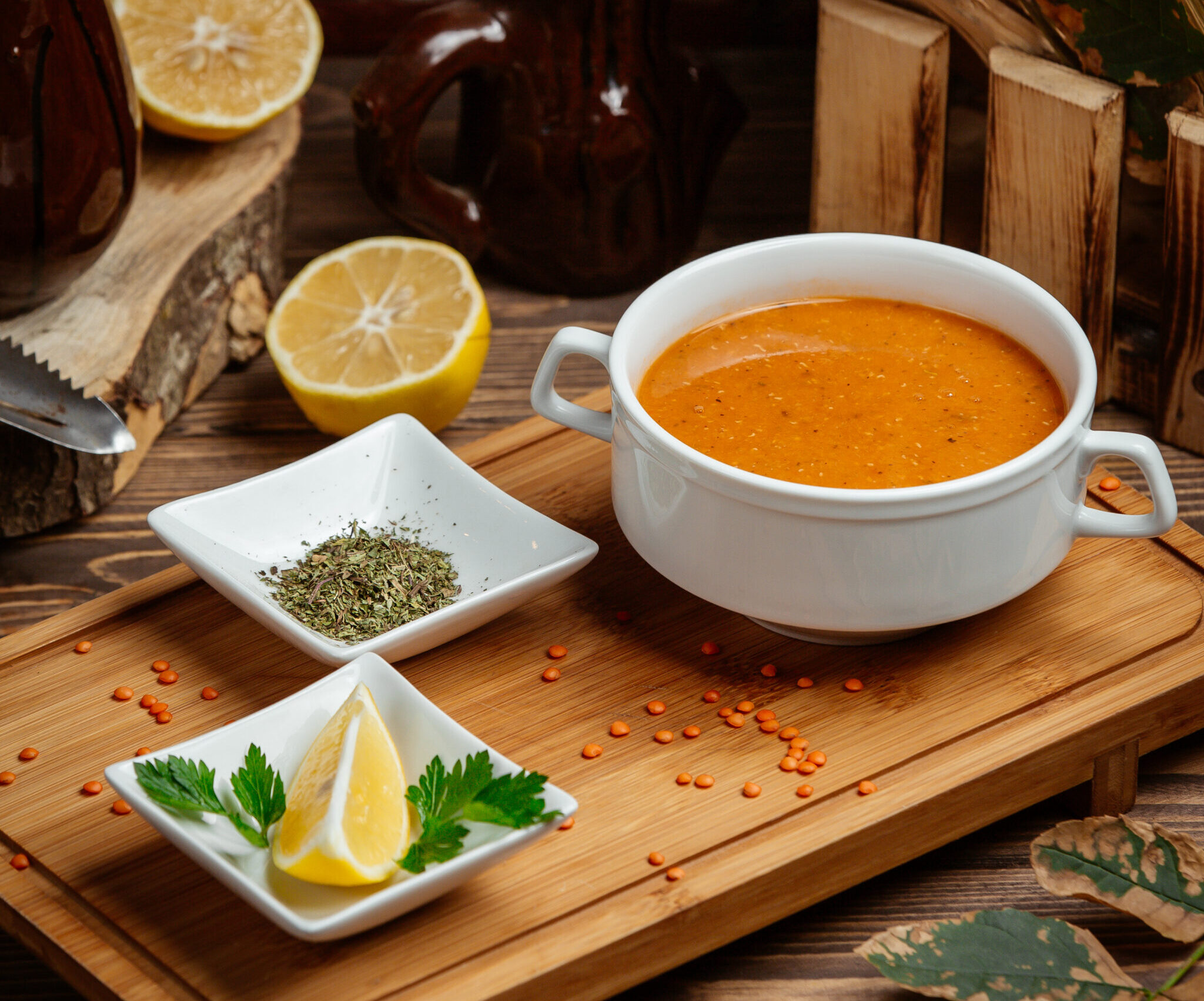

The busyness of daily life is increasing interest in practical meal options. Therefore... “"Is instant soup harmful?"” And “"How do you make instant soup?"” Questions like these are also frequently researched.
However, it's not accurate to evaluate all ready-made soups in the same way. Powdered soups, products sold in the cold chain, and cooked soups presented in jars differ from each other in terms of their ingredients and preparation methods.
How to Make Instant Soup?
The production method of instant soup varies depending on the type of product.
Powdered instant soups are generally prepared by grinding and mixing dried vegetables, legumes, spices, and other ingredients. Water is added to the mixture at the time of consumption to cook the soup.
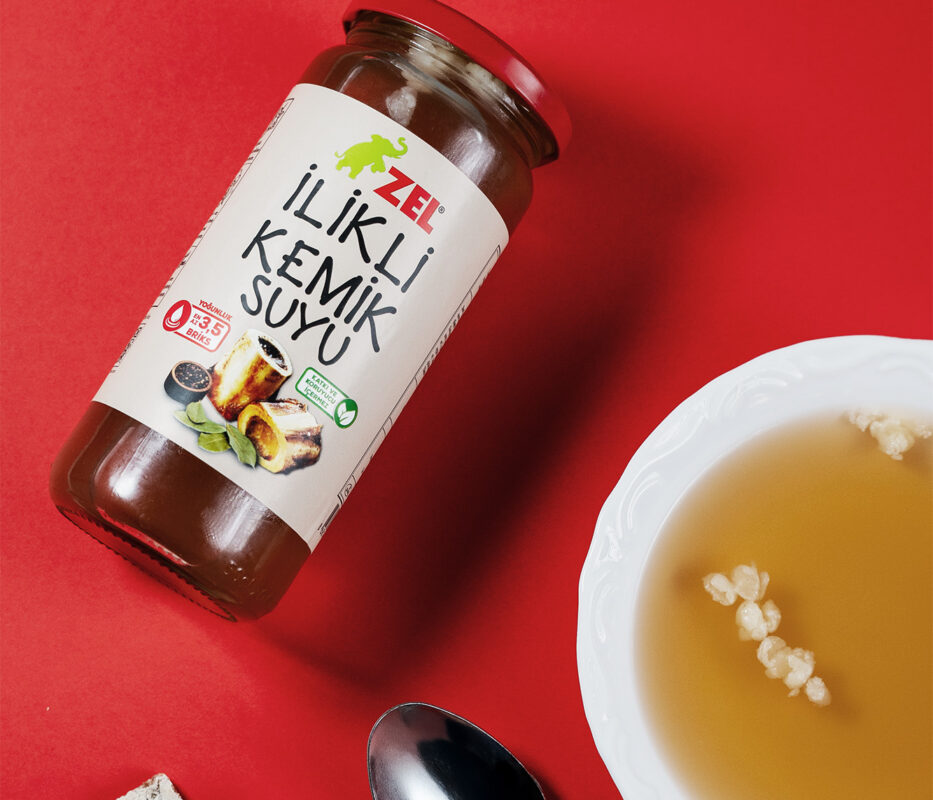
In jarred soups, ingredients such as vegetables, legumes, meat, or meat broth are cooked; the prepared soup is then poured into jars and subjected to controlled processes appropriate to the product. These products are usually only heated before consumption.
Therefore “"How to make instant soup?"” The answer to that question depends on whether the product is a powder mix or a cooked soup.
Is instant soup harmful?
Just because a soup is ready-made doesn't automatically mean it's harmful. When evaluating it, factors such as ingredients, salt content, portion size, and frequency of consumption should be considered.
Some instant soups may contain high amounts of salt, flavorings, or other additives. Others may have a shorter and more easily understandable ingredient list. Therefore, instead of classifying products simply as "instant soup," it is more accurate to compare them based on their labels.
The World Health Organization recommends that daily salt intake for adults be kept below 5 grams. When evaluating total daily intake, salt from soup as well as other meals should be taken into account.
Are Additives Always Harmful?
The presence of an additive or E code on the label does not automatically mean the product is harmful. Permitted additives undergo specific safety assessments.
However, consumers who prefer a simpler content can review the ingredient list and compare information on additives and preservatives. The most reliable way to understand the product's actual contents is to read the up-to-date information on the packaging.
What to Consider When Choosing Instant Soup?
- Are the main ingredients at the top of the components list?
- How much salt is in it?
- Are the nutritional values given per serving or per 100 grams?
- Are there any ingredients containing allergens?
- Is information about additives and preservatives provided?
- Is the product a powder mix or a cooked soup?
- Are the storage and heating instructions clear?
Individuals with sensitivities to products such as milk, eggs, or wheat should also check the allergen information.
What is the difference between powdered soup and jarred soup?
Powdered soup is based on reconstituted dried ingredients with water. Jarred soup, on the other hand, is usually served pre-cooked and heated just before consumption.
However, packaging type alone is not an indicator of quality. A proper comparison can be made by examining the ingredients list and nutritional values of the products together.
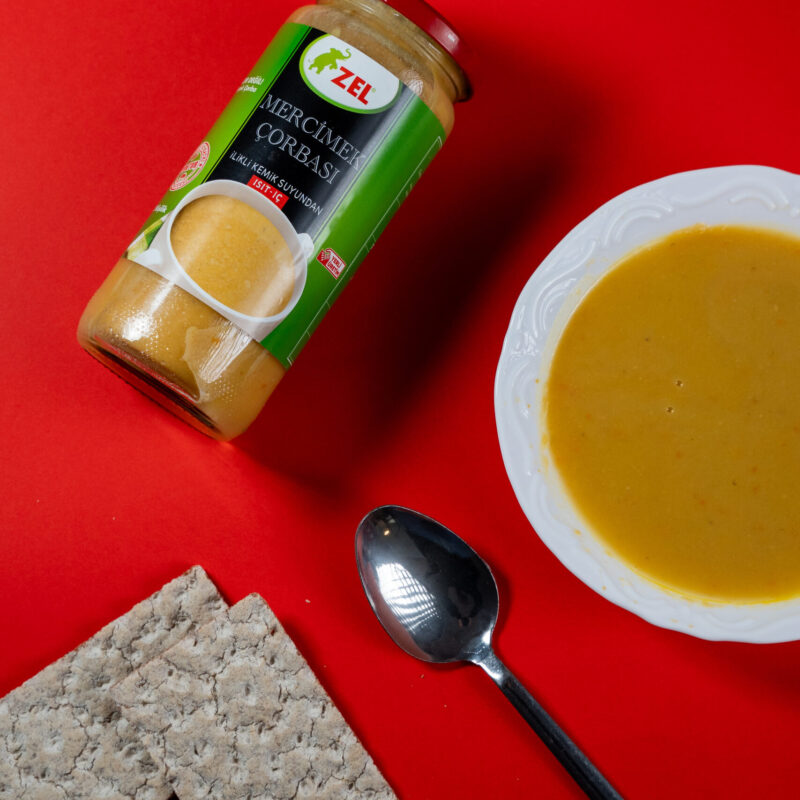
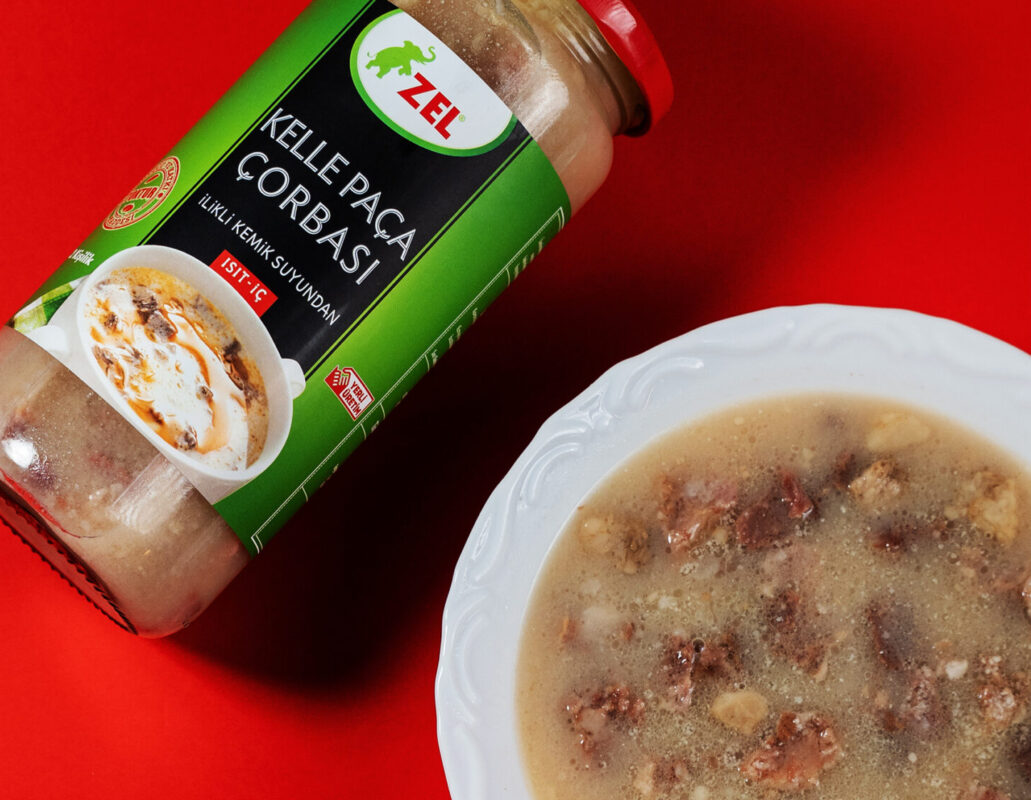
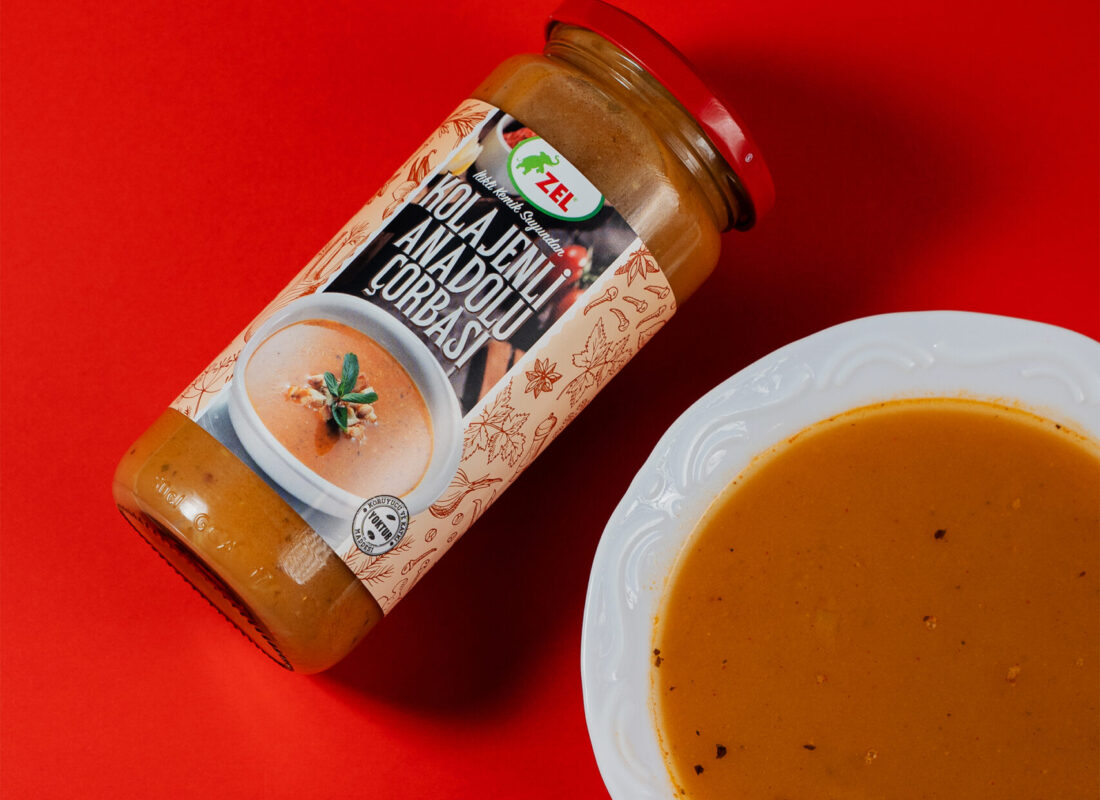
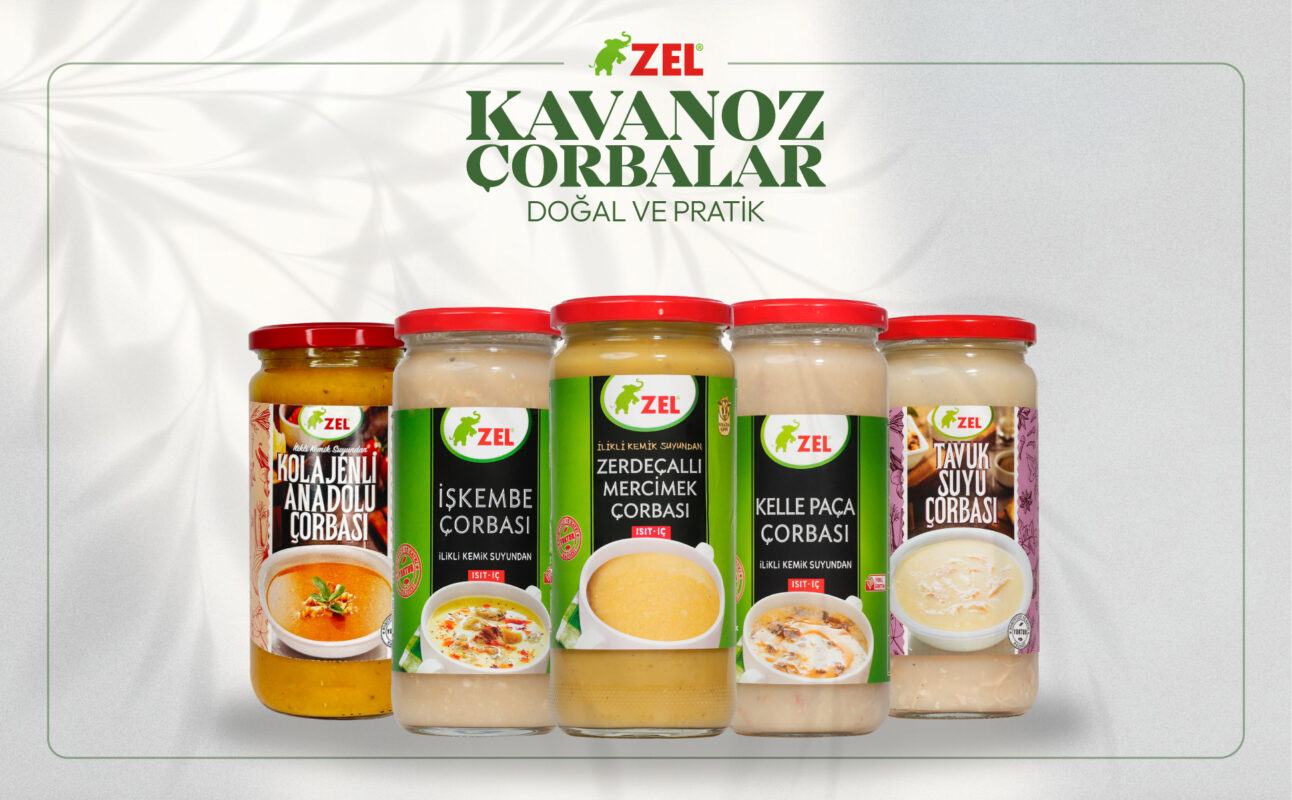
ZEL's jarred soups are also among the options that can be cooked and then reheated. They offer varieties with different ingredients such as lentil, vegetable, bone broth, and chicken. From the ZEL soups page You can examine them; you can compare the ingredients and nutritional values of the products.
Conclusion
“"Is instant soup harmful?" It's impossible to give a single answer that applies to all products. The type of instant soup, its ingredients, salt content, portion size, and frequency of consumption should all be considered together.
Carefully reading the label, comparing the ingredients, and choosing the product that suits your personal nutritional needs allows for a more informed choice.