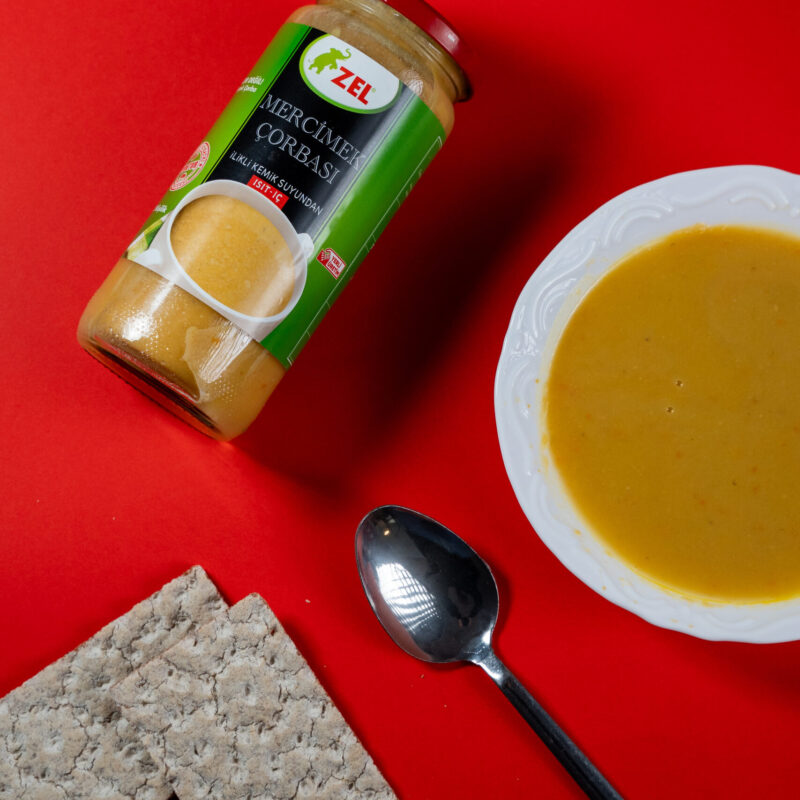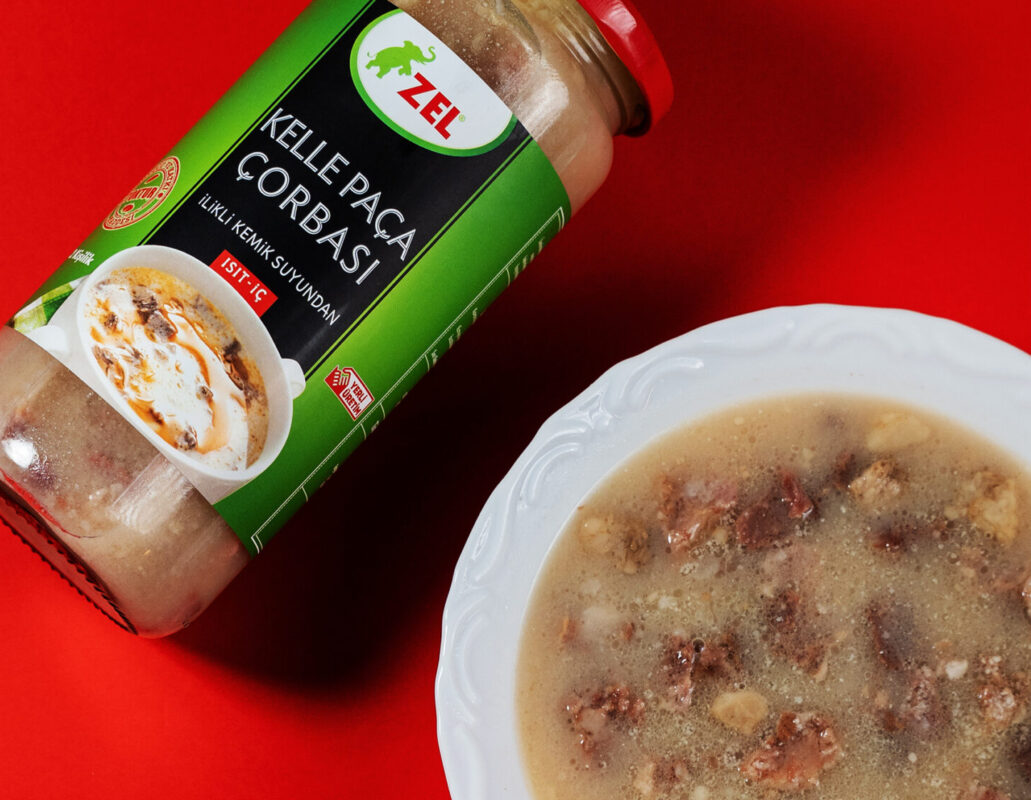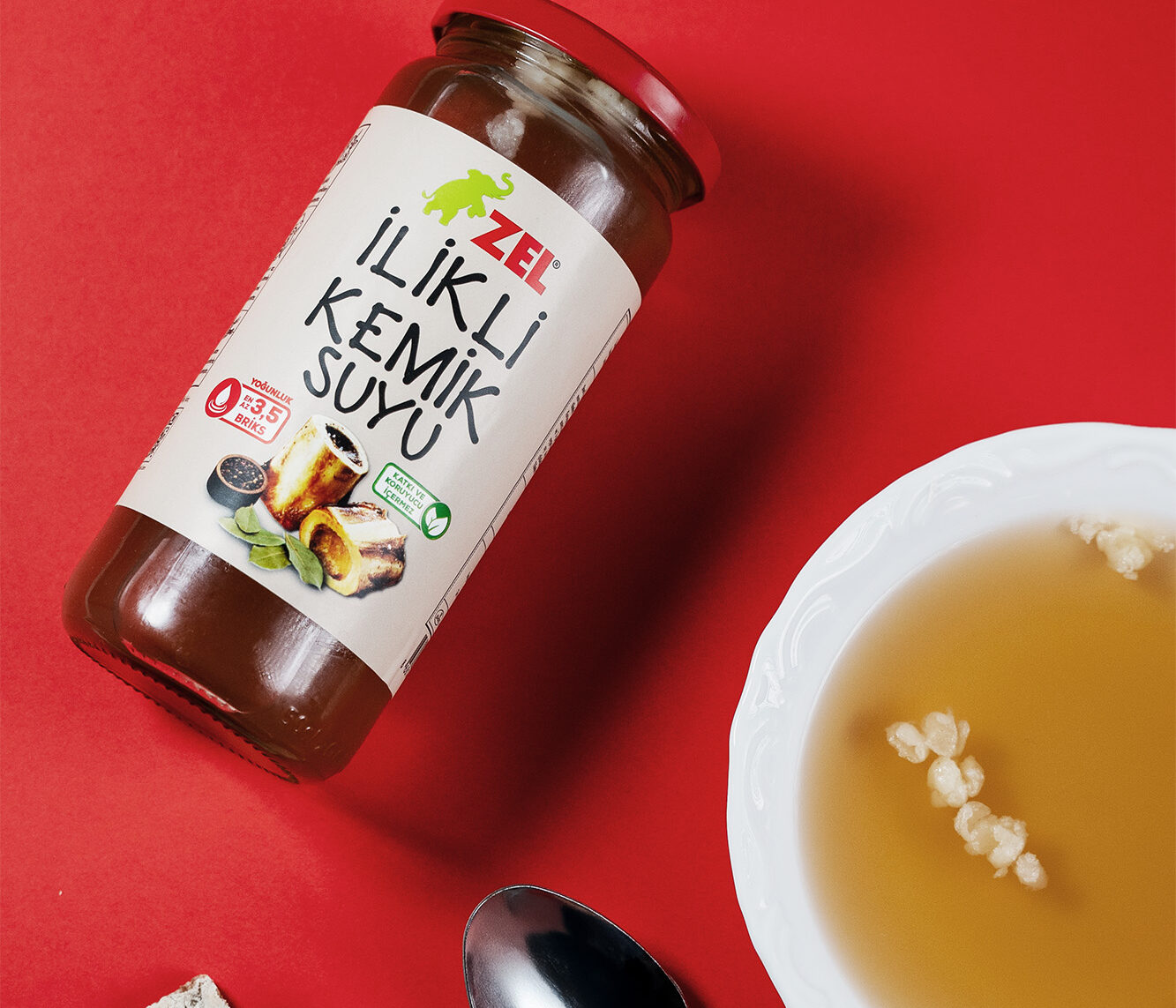

Bone broth is a highly aromatic product obtained by simmering bones and surrounding connective tissues in water for an extended period. It can be used both on its own and as a base for various dishes. As with homemade recipes, the nutritional value and content of ready-made products can vary depending on the raw materials used, the cooking method, and the product formula.
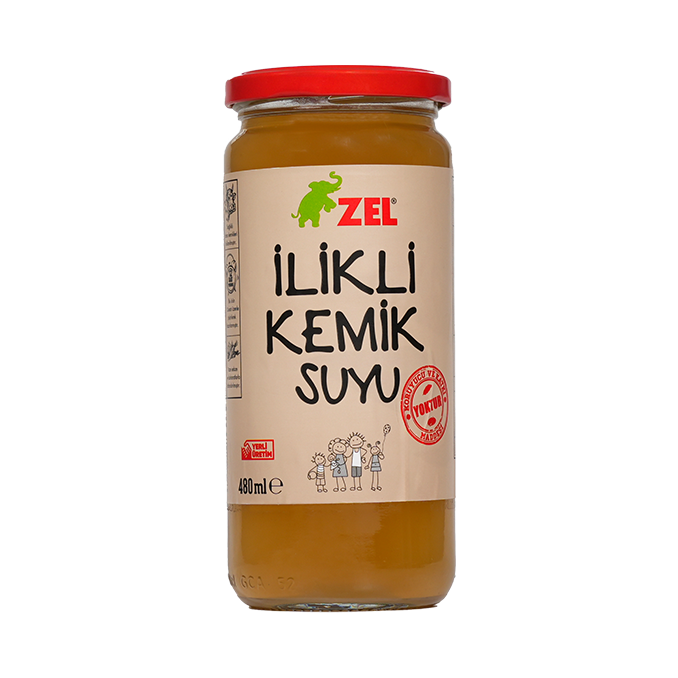
Therefore, when evaluating bone broth, it is best to look at the product's ingredient and nutritional value label rather than relying on general assumptions. ZEL Bone Broth; The product information describes it as a culinary product prepared with beef shank bone broth, bone marrow fat, carrots, onions, bay leaves, white peppercorns, and salt.
Are bone broth and meat broth the same thing?
Although the terms bone broth and meat broth are used interchangeably in everyday language, they are not prepared in the same way. Meat broth is generally prepared by cooking meat and aromatic vegetables, while bone broth gives a more prominent role to bones and connective tissues. Bone marrow broth, in particular, uses bones containing marrow.
During prolonged cooking, some of the collagen in connective tissues can transform into gelatin. This is why some bone broths thicken when cooled. However, consistency, color, or cloudiness alone does not indicate a product's nutritional value or quality. Scientific studies have shown that the amino acid and mineral content of bone broths can vary significantly from recipe to recipe. Therefore, instead of promising a specific health outcome, it is necessary to focus on the measurable values on the product label.
How to Use Bone Broth
The greatest strength of bone broth is its versatility in the kitchen. Before using the product in a jar, check the preparation instructions on the packaging.
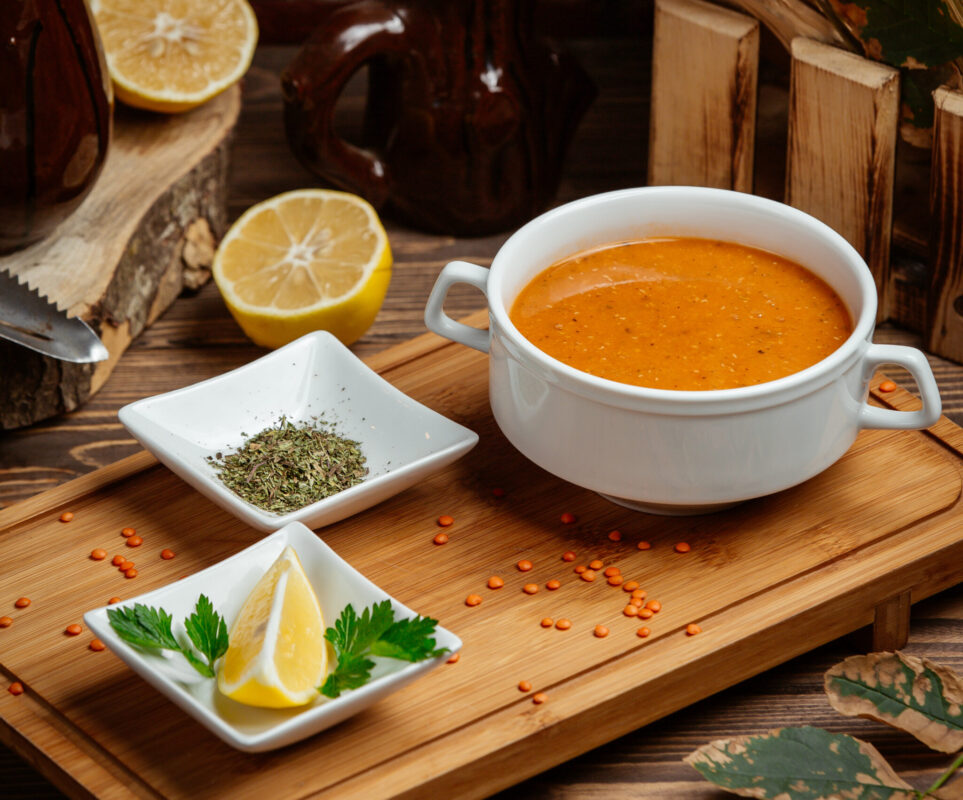
- As a hot beverage: Heat an appropriate amount in a small saucepan and consume plain. Lemon, black pepper, or fresh herbs can be added according to taste.
- In soups: It can be used in place of part of the water in lentil, tarhana, vegetable, and noodle soups.
- In rice and bulgur dishes: Adding it to the cooking liquid of rice or bulgur can result in a more intense flavor.
- In sauces: It can be considered a flavor base when preparing sauces for meat and vegetable dishes.
- In vegetable dishes: It can be used in appropriate amounts according to the recipe in stews, stuffing, and casseroles.
How to Store Bone Broth
Unopened products should be stored according to the temperature and storage conditions indicated on the packaging. The product should not be used if the jar is swollen, leaking, the lid is loose, or it has an unusual appearance.
After opening the jar, the product should be refrigerated, a clean spoon should be used when serving, and the lid should not be left open. The World Health Organization recommends that cooked and perishable foods should not be left at room temperature for more than two hours, but should be rapidly cooled and preferably stored below 5 degrees Celsius. General food safety sources suggest a refrigeration interval of three to four days for opened low-acid canned soups and meat products. However, if a shorter period is stated on the ZEL packaging, the product label should always be the primary reference.
Dividing the unused portion into small, clean containers, heating only the amount to be consumed, and avoiding reheating the same product repeatedly is a better habit for both ease of use and food safety.
What should be considered regarding nutritional value?
The protein, fat, salt, and energy content of bone broth varies depending on the product. Therefore, portion information and nutritional value tables should be read together when adding it to a daily diet plan. Individuals who need to limit their salt intake should especially consider the advice of a healthcare professional based on their personal health condition.
Bone broth is not a medicine or a treatment. It does not replace a balanced diet; it should be considered a practical food that can be used in soups, rice dishes, and main courses.
Discover ZEL Bone Broth in Your Kitchen
Prepared by boiling for a long time. ZEL Bone Broth, With its simple taste and versatility in various recipes, it offers a practical base in the kitchen. For ingredients, current nutritional values and product options, see below. ZEL Bone Broth You can review the page.
Frequently Asked Questions
Can bone broth be drunk directly?
Yes. It can be heated and drunk plain according to the preparation instructions on the product label, or served with lemon and spices.
How many days can bone broth be stored in the refrigerator?
The priority should always be the consumption instructions on the packaging after opening. Common sources recommend a three to four-day interval for opened low-acid canned soups and meat products.
Is it normal for bone broth to solidify or turn into a jelly-like consistency?
Changes in consistency when cold may be related to the gelatin and fat content of the product. It is not a quality indicator on its own; packaging information should be considered for appearance and usage.
Can bone broth be given to children?
The child's age, allergies, and nutritional needs are important. Product labels should be checked; for infants and children with special nutritional needs, a healthcare professional should be consulted.
Sources
- ZEL Bone Broth Product Information – https://zelglobal.com/urun/ilikli-kemik-suyu-480-ml/
- World Health Organization's Five Keys to Food Safety – https://www.who.int/activities/promoting-safe-food-handling/five-key-to-safer-food
- Turkish Ministry of Health: Five Keys to Safe Food – https://hsgm.saglik.gov.tr/depo/birimler/saglikli-beslenme-ve-hareketli-hayat-db/Dokumanlar/Afisler/guvenli_beslenme_icin_5_anahtar_poster.pdf
- USDA FSIS Shelf-Safe Food Safety – https://www.fsis.usda.gov/food-safety/safe-food-handling-and-preparation/food-safety-basics/shelf-stable-food
- Investigation of amino acid variability in bone broth. – https://pubmed.ncbi.nlm.nih.gov/29893587/
- Research on mineral content in animal bone broths. – https://pubmed.ncbi.nlm.nih.gov/28804437/