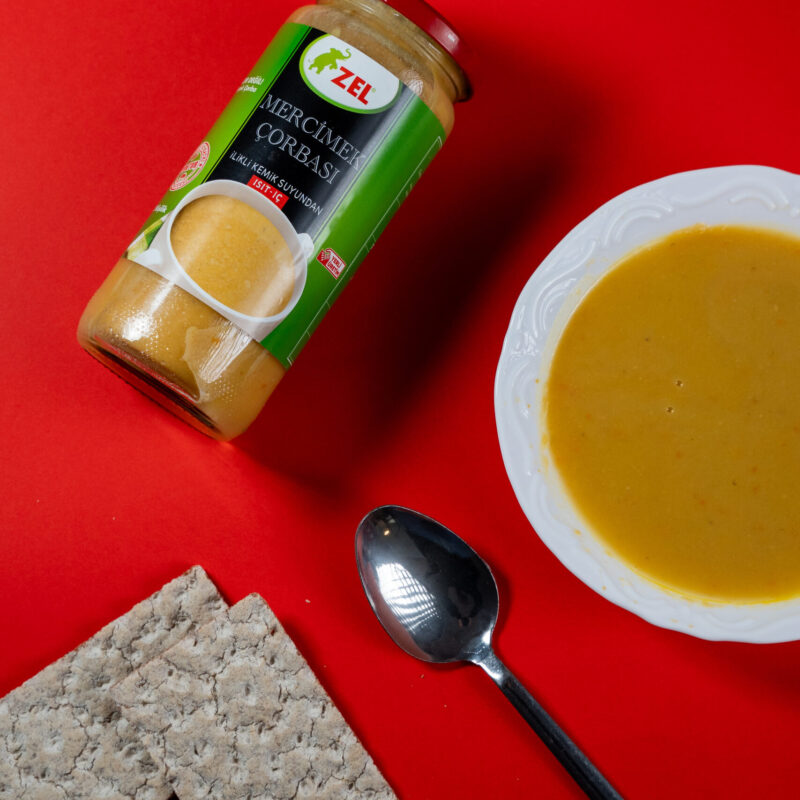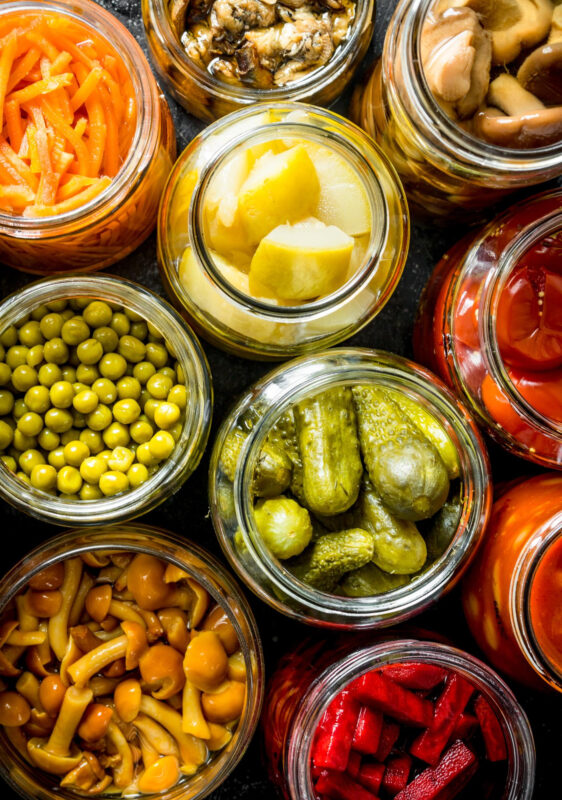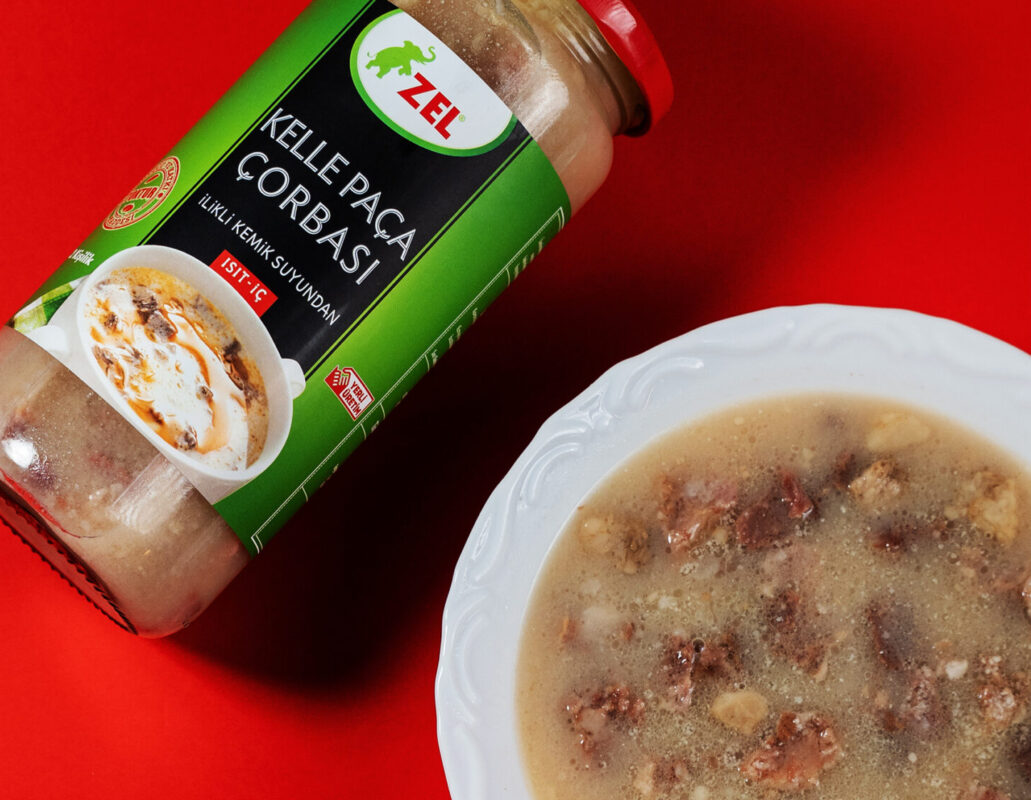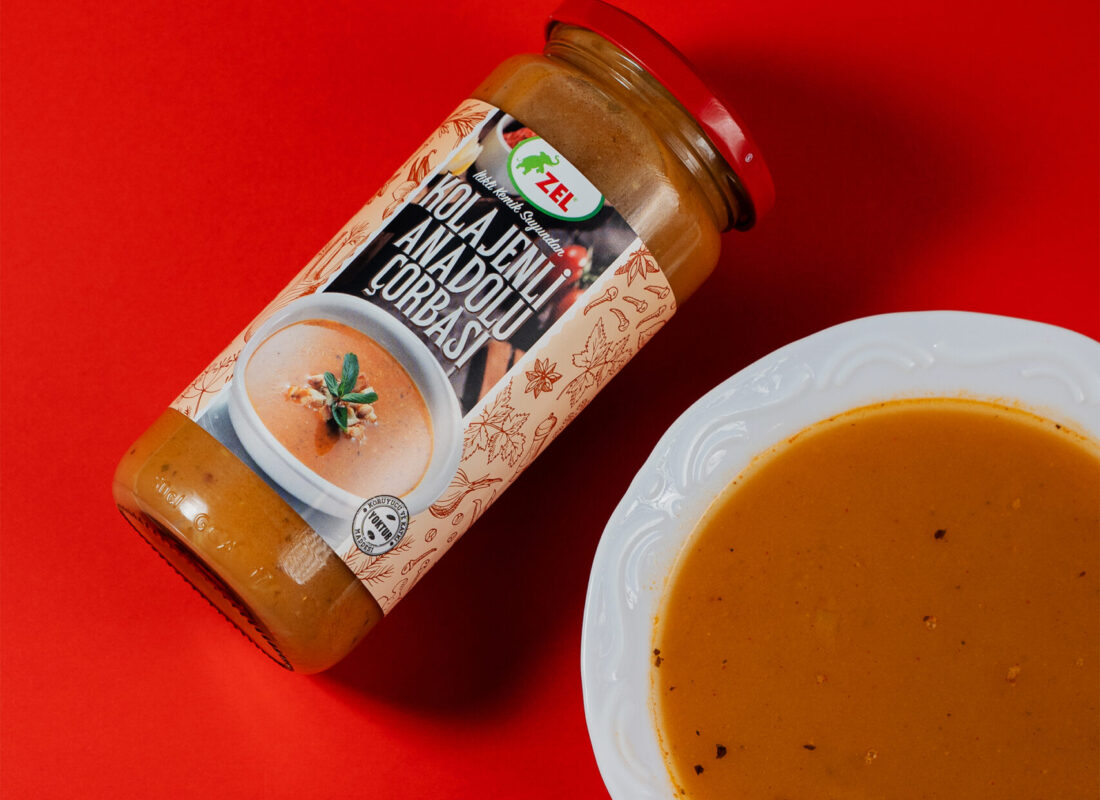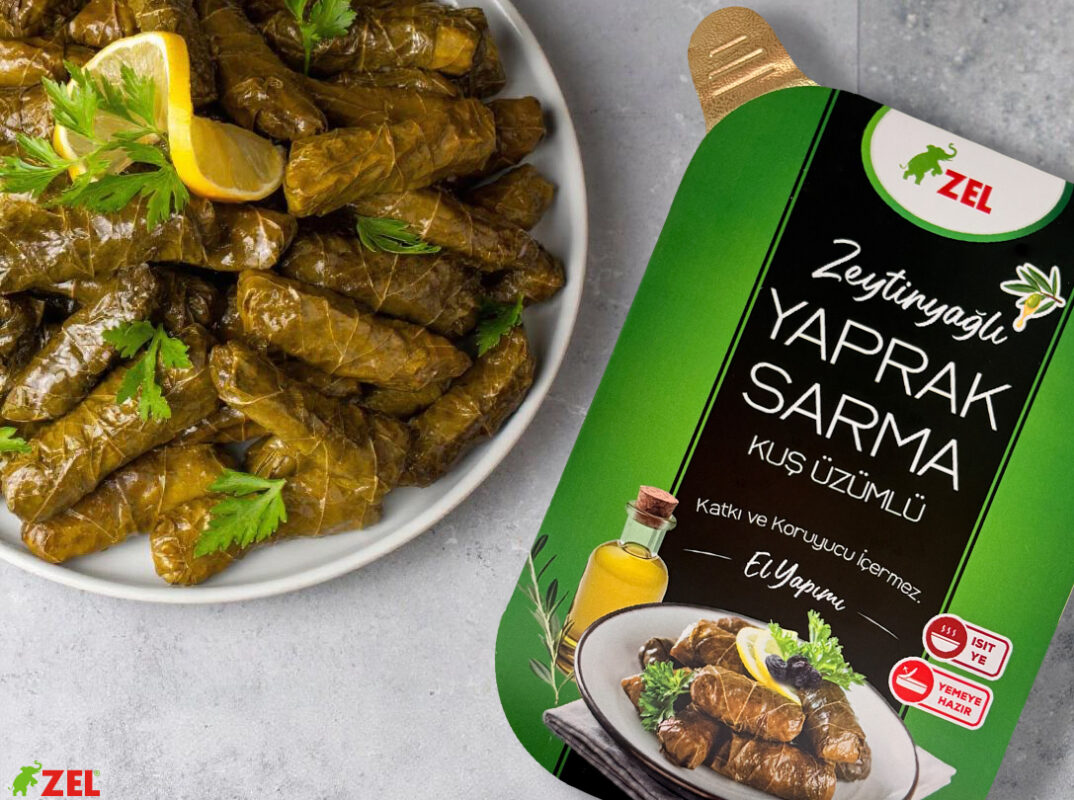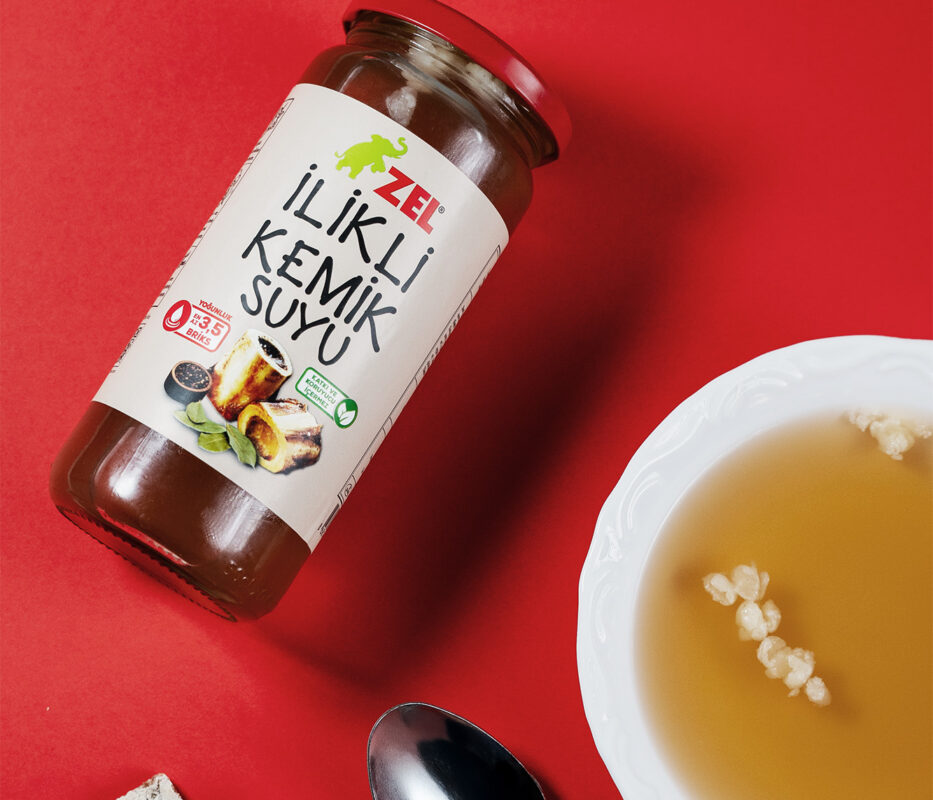

Processed food is food that has undergone at least one process, such as cleaning, chopping, freezing, cooking, pasteurization, drying, fermentation, or canning, from its natural state to the consumer. Therefore, it is not correct to evaluate every processed product sold in the market in the same way.
The fact that a product is processed doesn't automatically mean it's unhealthy. What truly matters is the product's ingredients, nutritional value, processing level, consumption quantity, and its place within an overall diet.
Why are foods processed?
Foods can be processed for different purposes:
- It can be stored for a longer period of time.
- It can be consumed safely.
- Easier transportation and storage.
- Shorter preparation time.
- Gaining taste, texture or appearance
- It can be consumed out of season.
For example, pasteurizing milk, freezing vegetables, canning legumes, and fermenting yogurt are all food processing methods.
What are the types of processed foods?
Commonly used classifications categorize foods into several groups based on their level of processing.
Unprocessed or Minimally Processed Foods
These are products that have undergone basic processes such as washing, sorting, chopping, cooling, freezing, or pasteurization. Examples include fresh or frozen vegetables, pasteurized milk, unroasted nuts, and dried legumes.
Processed Foods
These are products made by adding salt, sugar, fat, or similar ingredients to a natural food. Cheese, bread, canned vegetables, and some ready-made meals can be considered in this group.
Heavily or Ultra-Processed Foods
These are products that have undergone multiple production stages and may contain flavorings, colorings, thickeners, or similar ingredients. However, it is not always easy to determine which group a product belongs to simply by looking at its packaging. Therefore, the most reliable approach is to examine the product label as a whole.
Are Processed Foods Harmful?
“The idea that "all processed foods are harmful" is incorrect. Processes such as pasteurization, freezing, and canning can increase food safety and extend its shelf life.
However, the World Health Organization recommends that a healthy diet be based on variety, balance, and moderation, and that products high in salt, free sugars, and unhealthy fats be limited.
Therefore, one should look at the overall content of the product, not just a single word.
How to Read Food Labels?
1. Check the Product's Actual Name
A brand name and a product's legal name are not the same thing. Read the name on the packaging, alongside the large print, to understand what the product actually is.
For example, the presence of fruit in an image doesn't necessarily mean the product contains real fruit. Terms like "flavored" or "seasoned" are important in this context.
2. See the Table of Contents.
In general, ingredients are listed in descending order by weight according to the quantity used in the product. Therefore, ingredients at the top of the list are present in higher amounts in the product.
Judging a product solely by the length of the ingredients list is inaccurate. The composition of the ingredients and the overall nutritional value of the product should be considered together.
3. Check for allergens.
Allergens such as milk, eggs, gluten-containing grains, nuts, peanuts, soy, and sesame are clearly indicated on the label to distinguish them from other ingredients.
People with food allergies or intolerances should also check for cross-contamination warnings, such as "may contain traces.".
4. Compare Nutritional Values
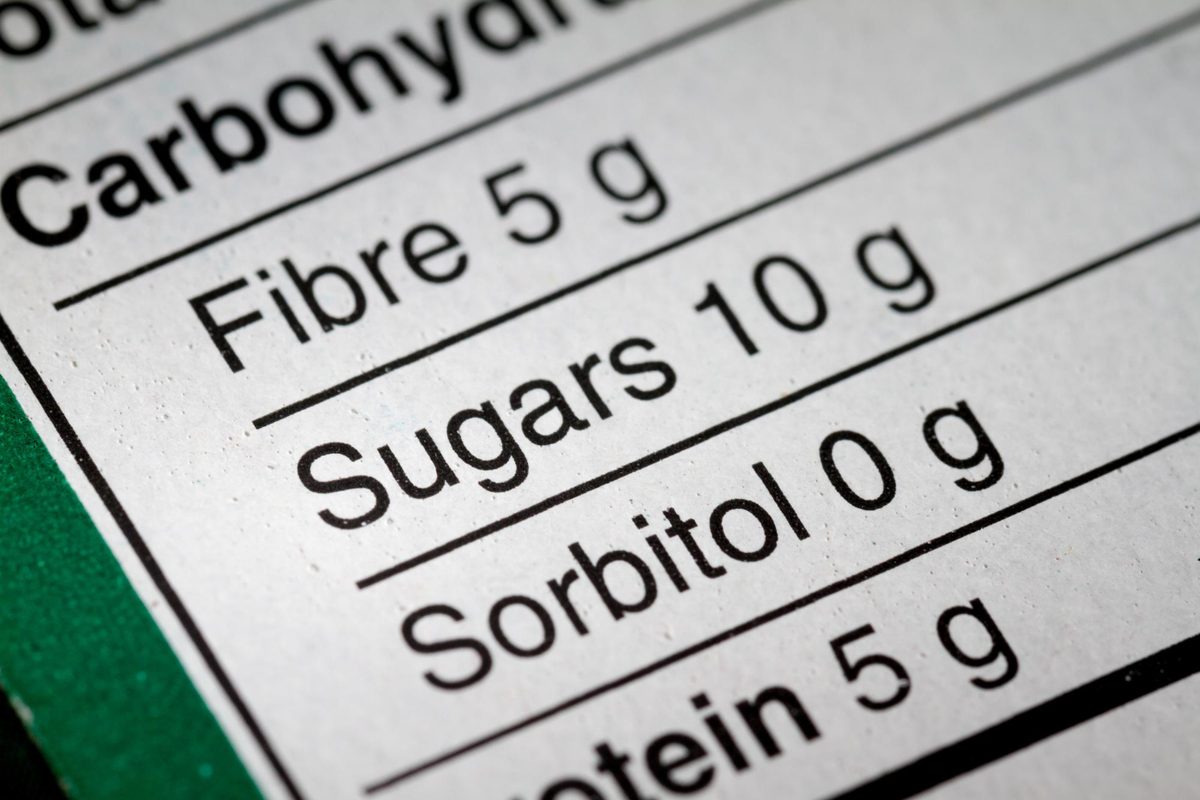
Nutritional information on pre-packaged products is usually given per 100 grams or 100 milliliters. When comparing similar products, you can look at these values:
- Energy
- Oil
- Saturated fat
- Carbohydrate
- Sugars
- Protein
- Salt
“The "Sugars" line shows the total amount of sugar. To determine if any additional sugar has been added to the product, you should also check the ingredients list.
5. Focus on 100-gram values, not serving sizes.
The portion sizes specified by different brands may vary. Therefore, when comparing two products, it is more accurate to look at whether both are in 100 grams or 100 milliliters for a more accurate comparison.
6. Understand the Difference Between STT and TETT
Expiration Date (EDD), It is used in products that spoil quickly and may pose a health risk when past their expiration date. Products past their expiration date should not be consumed.
Best Before Date (BBD) The best before date (best before date) indicates the period during which the product retains its quality characteristics such as taste, smell, and texture. When evaluating a product past its best before date, factors such as packaging integrity, storage conditions, appearance, and smell should be checked together.
7. Read the Storage and Usage Instructions.
“Warnings such as "Store in a cool, dry place," "Refrigerate after opening," or "Consume within the specified time" are important for product safety.
Products with swollen, punctured, leaking, or damaged packaging should not be purchased, even if the expiration date is correct.
Essential Information That Should Be On the Label
In Türkiye, the main information that must be included on the labels of pre-packaged foods is as follows:
- Name of the food
- Table of contents
- Allergen information
- Net amount
- STT or TETT
- Storage and usage conditions
- Producer or food business operator information
- Business registration or approval number
- Party number
- Nutritional information
- Origin information where required.
The food labeling guidelines in Türkiye were updated in 2026. Label information should be presented clearly, understandably, and without misleading information, enabling consumers to make informed choices.
Quick Checklist for Grocery Shopping
- What is the actual name of the product?
- What are the first three components?
- Are there any allergens or specific warnings?
- How do the sugar, saturated fat, and salt levels compare to similar products?
- Are the expiration date, packaging, and storage conditions suitable?
Conclusion
When evaluating processed foods, it is not enough to focus solely on the claims on the front of the packaging or on a single ingredient. The product name, ingredient list, allergens, nutritional information, expiration date, and storage conditions should all be examined together.
Reading labels makes it easier to compare similar products more consciously in the supermarket and make choices that suit personal needs.
Frequently Asked Questions
Is every packaged food ultra-processed?
No. Products like frozen vegetables, pasteurized milk, or packaged legumes may be minimally processed despite being packaged.
What does the first item in the table of contents indicate?
The first component is generally the one used in the largest quantity by weight during production.
Are all products containing an E code harmful?
No. The E code identifies the additive used. Permitted additives are evaluated within the scope of specified usage conditions and quantities. The product should still be considered in its entirety, including its contents and consumption quantity.
Can a product that has passed its expiration date be consumed?
No. Foods that have passed their expiration date should not be consumed, even if they do not show any changes in appearance or smell.