
Kitchen measurements can directly affect the outcome of a recipe. While questions like "How many grams are in 1 cup?", "How many milliliters are in 1 tablespoon?", or "How many cups are in 100 grams of flour?" might seem to have a single answer, the gram equivalent varies depending on the ingredient used.
Even if water, flour, sugar, and vegetable oil fill the same cup, they don't all weigh the same. This guide will help you find practical tables showing the approximate milliliter and gram equivalents of commonly used cup and spoon measurements in recipes.
Are grams and milliliters the same thing in kitchen measurements?
No. Gram weight, milliliters volume This means that 1 milliliter of water is approximately 1 gram, so 200 ml of water is approximately 200 grams. However, ingredients like flour, oil, sugar, or honey have different densities. Therefore, 200 ml of flour and 200 ml of sugar will not weigh the same.
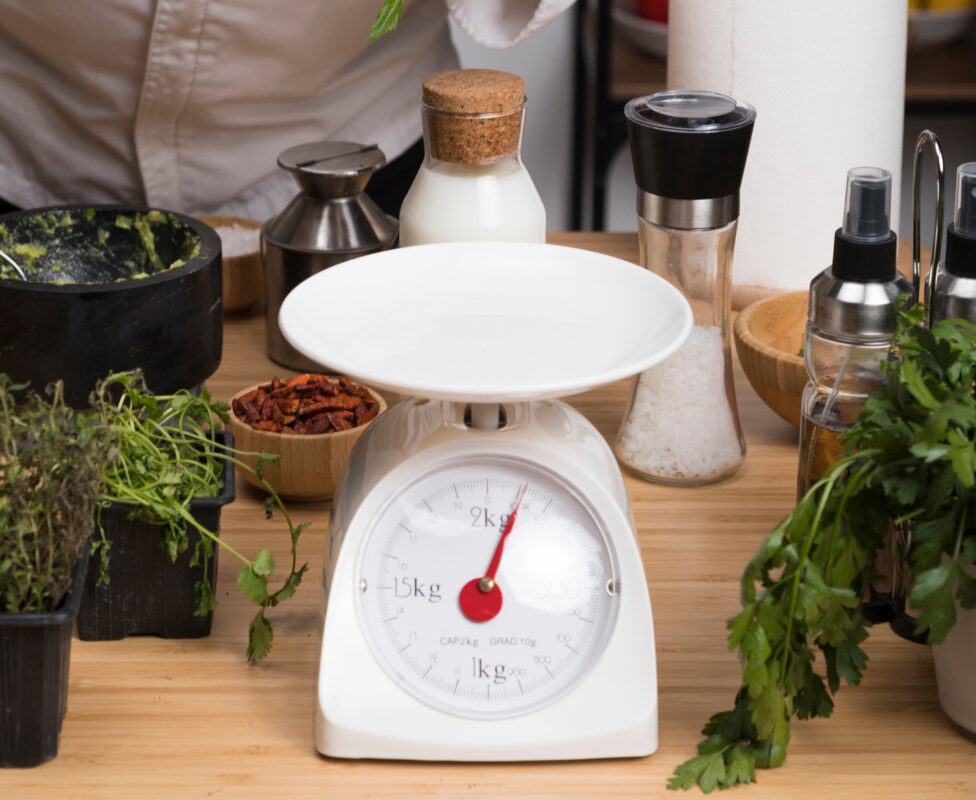
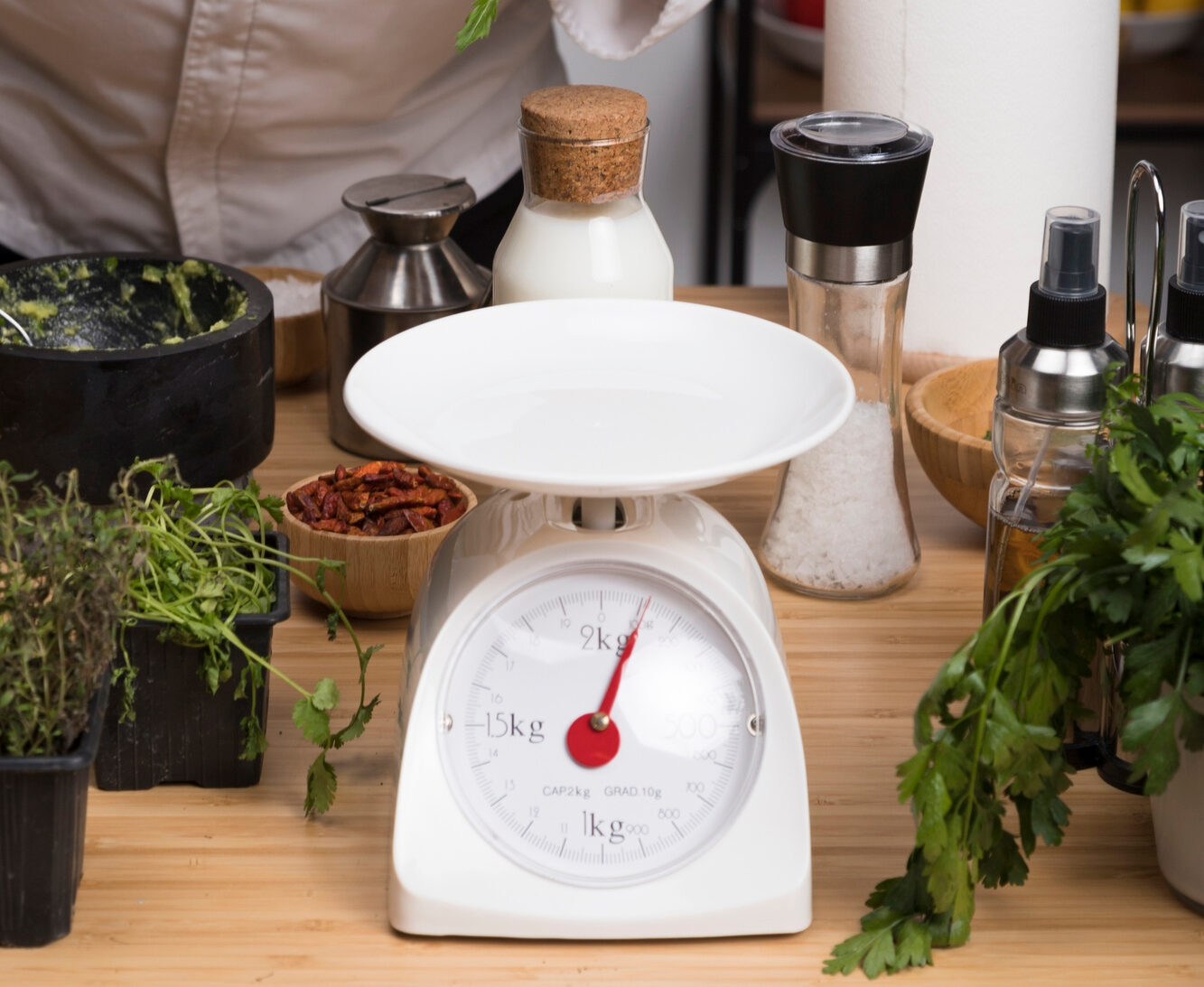
For the most accurate results, especially in pastry and dessert recipes, using a digital kitchen scale is essential. Cup and spoon conversions, however, provide a practical approximate value when a scale isn't available.
Standard Cup and Spoon Sizes
The volume of cups and spoons used in Türkiye can vary depending on the model. The Turkish Nutrition Guide also states that cups and spoons used in homes are not standardized. The calculations in this article are based on approximate measurements commonly used in recipes.
| Kitchen measurements | Approximate volume |
|---|---|
| 1 glass of water | 200 ml |
| 1 teacup | 100 ml |
| 1 tablespoon | 15 ml |
| 1 teaspoon | 10 ml |
| 1 teaspoon | 5 ml |
In American recipes, the "cup" measurement is usually approximately 240 ml. Therefore, 1 cup used in a foreign recipe should not be considered the same as 1 water glass used in Turkish recipes.
How many grams is 1 glass of water?
The weight of a glass of water in grams varies depending on the density of the material. The values below are approximate equivalents for a 200 ml glass of water.
| Material | 1 glass of water |
|---|---|
| This | 200 g |
| Milk | 200 g |
| Oil | 170 g |
| Yogurt | 200 g |
| Reputation | 120 g |
| Granulated sugar | 170 g |
| Powdered sugar | 120 g |
| Starch | 100 g |
| Semolina | 150 g |
| Rice | 175 g |
| Bulgur wheat | 175 g |
| Lentil | 180 g |
| Cocoa | 100 g |
| Walnut kernels | 90 g |
These values are approximate. Factors such as flour compaction, sugar particle size, or moisture content can alter the measurement.
How many grams is 1 teacup?
This chart is based on a classic teacup with a capacity of approximately 100 ml.
| Material | 1 teacup |
|---|---|
| This | 100 g |
| Milk | 100 g |
| Oil | 80-85 g |
| Reputation | 60 g |
| Granulated sugar | 75-85 g |
| Rice | 80 g |
| Bulgur wheat | 80 g |
| Lentil | 75 g |
| Semolina | 75 g |
Spoon Measurements: How many grams is 1 tablespoon?
Whether the spoon is level or heaped may affect the result. The table below shows approximate values for a standard 15 ml, level tablespoon.
| Material | 1 tablespoon |
|---|---|
| This | 15 g |
| Milk | 15 g |
| Oil | 13-14 g |
| Reputation | 8-10 g |
| Granulated sugar | 12-15 g |
| Salt | 15-18 g |
| Cocoa | 5-6 g |
| Honey | 20-21 g |
Practical Cup Transformations
| Measurement | Approximate equivalent |
|---|---|
| 1 liter | 5 glasses of water |
| 500 ml | 2.5 cups |
| 250 ml | 1 cup + 1/2 teaspoon |
| 200 ml | 1 glass of water |
| 100 ml | 1 teacup |
| 50 ml | 1/2 teacup |
| 15 ml | 1 tablespoon |
| 5 ml | 1 teaspoon |
How to Measure Flour and Dry Ingredients?
Taking flour directly from the package with a cup or pressing it down can result in too much flour filling the cup. For a more consistent result, aerate the flour first, transfer it to the cup with a spoon, and scrape the top with a flat edge.
For grainy ingredients like rice, bulgur, and lentils, shaking or pressing the cup can also increase the quantity. Unless otherwise specified in the recipe, measure the ingredients without compressing them and by leveling the top of the cup.
How to Measure Liquids Accurately?
Place the liquid measuring cup on a flat surface. Read the measurement line at eye level. Measurements taken while holding the cup above or looking down at it may lead to small discrepancies.
Honey, molasses, and thick sauces can stick to the spoon. Lightly greasing the spoon or weighing the ingredients will give more consistent results.
The Difference Between a Level Spoon and a Heaping Spoon
Level spoon, This means the material should be leveled to the edge of the spoon. heaping spoonful The heaping measure involves filling the spoon so that the ingredients form a mound. Since the gram equivalent of a heaping measure will vary depending on the ingredients and the size of the mound, level measurements or scales should be preferred in precise recipes.
The Most Common Mistakes in Kitchen Measurements
- Assuming each glass of water holds 200 ml.
- Treating grams and milliliters as the same.
- Pressing the flour into the glass.
- Ignoring the difference between level and heaped spoonfuls.
- Converting cup measurements in foreign recipes directly to water glasses.
- Reading the liquid measurement in your hand instead of on a flat surface.
Here are some recipes where you can use these measurements. ZEL Recipes You can browse the page.
Frequently Asked Questions
How many ml are in 1 glass of water?
In Turkish recipes, one glass of water is generally considered to be approximately 200 ml. However, the actual volume of a glass at home may differ.
How many ml is 1 tablespoon?
In a standard measuring spoon, 1 tablespoon is approximately 15 ml. The volume of household measuring spoons may vary.
How many ml is 1 teaspoon?
In a standard measuring spoon, 1 teaspoon is approximately 5 ml.
How many cups is 100 grams of flour?
If one cup of flour is considered to be approximately 120 grams, then 100 grams of flour is approximately 0.8 cups, which is slightly less than one cup.
How many grams is one cup of sugar?
A 200 ml (1/200 ml) glass of granulated sugar is approximately 170 grams. The size of the granule and how the glass is filled can alter the result.
Does the measurement chart give accurate results in every recipe?
No. Tables provide approximate conversions. Kitchen scales are more accurate, especially for pastry, bread, and confectionery recipes.